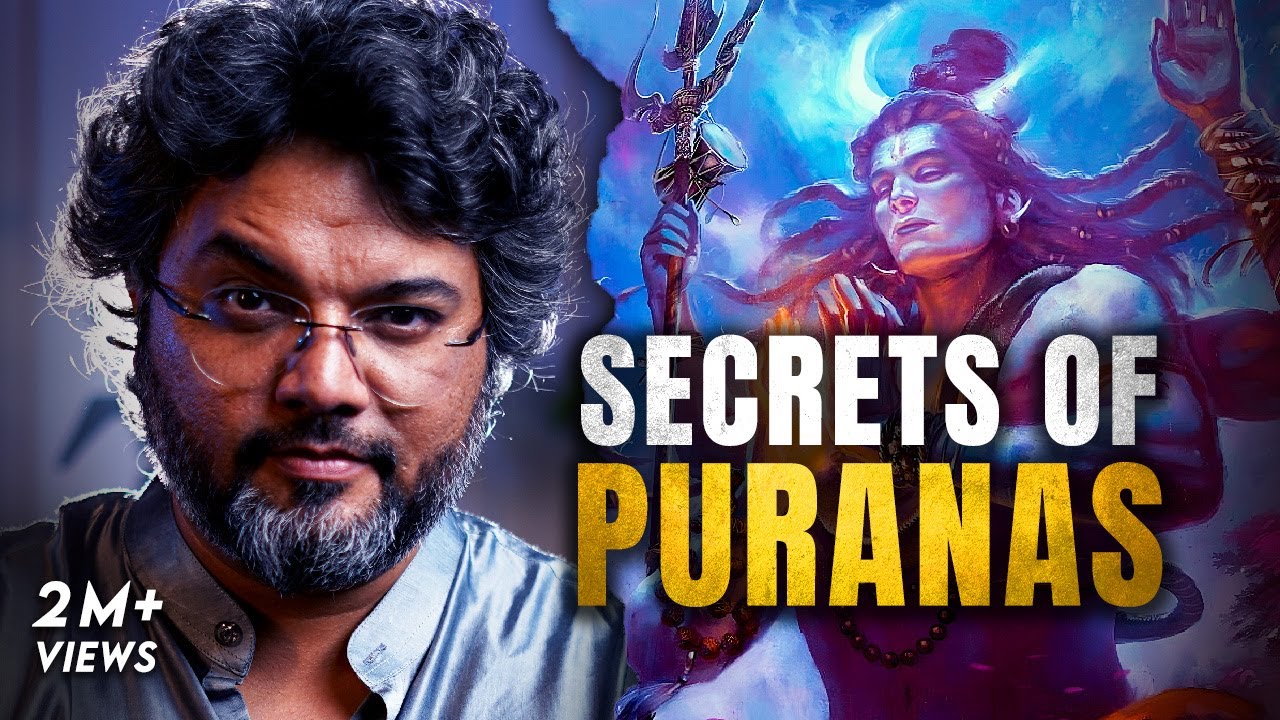
India's rich cultural tapestry is steeped in myths and legends, particularly those contained within its ancient texts, the Puranas. These narratives not only entertain but also convey deep philosophical and moral teachings. In this article, we will explore three captivating stories from the Puranas that feature prominent deities like Lord Shiva, Lord Ganesha, and the intriguing origins of serpents.
The Tale of Lord Shiva and Shani Dev
The Puranas often illustrate the complex interactions between gods and their respect for each other's powers. One such narrative involves Lord Shiva and Shani Dev (Saturn). According to the legend, Shani Dev is known for his ability to influence the fate of individuals, but his gaze particularly terrifies many.
The Story Unfolds
One day, Narada Muni approached Lord Shiva and warned him that Shani Dev was coming to observe him. Concerned, Shiva devised a plan to evade Shani’s gaze.
- He ventured deep into the Ganges River, hiding himself beneath its waters.
- For seven and a half years he submerged himself, confident that Shani would never find him.
When Shiva finally emerged, he approached Shani with a triumphant smirk and exclaimed how he had successfully evaded his gaze. To this, Shani smiled and gracefully admitted, "O Lord, your act of holding your breath underwater for seven and a half years is what I consider the greatest misfortune of all!" This story highlights the futility of trying to escape predetermined destiny.
The Contest Between Ganesha and Kartikeya
Another popular story in the Puranas relates to the sibling rivalry between Lord Ganesha and Kartikeya. Both are revered deities with their unique strengths and attributes.
The Challenge
During their childhood, a playful argument escalated into a competition to prove who was the mightier. Their parents, Shiva and Parvati, suggested that they each circumambulate the world three times, and the first to return would be deemed the winner.
- Kartikeya mounted his peacock and sped off.
- Ganesha, however, sat calmly on his rat, pondering a different approach.
Instead of racing around the world, Ganesha circumvented the challenge by completing three rounds around his parents, signifying them as his world. When Kartikeya returned, he was astonished to find Ganesha already sitting there triumphant. This narrative underscores the significance of intelligence and wisdom over raw strength—a clear lesson contained in the playful story of the gods.
The Origin of Serpents and Their Mythology
Alongside the enchanting tales of deities, the Puranas also narrate the origins of many other creatures within Indian mythology, including serpents. The story of Kashyapa Rishi and his two wives—Kadru and Vinata—is crucial to understanding the genesis of serpents.
The Divine Conception
Kashyapa, pleased with the devotion of his wives, granted them boons. Kadru asked for a hundred sons who were strong and possessed the terrifying power of poison. Vinata, on the other hand, wanted two sons who were more potent than Kadru's children.
When the eggs laid by Kadru hatched, they produced numerous serpents, including Vasuki, who later came to rest around Lord Shiva's neck.
- Meanwhile, Vinata’s eggs hatched into Guruda, the divine eagle, and Aruna, the charioteer of the sun.
- Tension arose between the siblings, as Guruda detested serpents, while the serpents harbored animosity toward Guruda.
Significance and Lessons
The story of serpents showcases themes of rivalry and respect in ancient times, reflecting the deep-seated ethos of cosmic balance recognized in Indian culture. Such tales convey that all beings have their unique roles and powers that must be respected.
Concluding Thoughts
The Puranas offer a treasure trove of wisdom through their intriguing stories. They remind us of the deeper implications of power, cleverness, and the intricate relationships between beings—divine or otherwise. As we delve into these narratives, we find not only entertainment but also valuable life lessons that continue to resonate across generations.
Engage with the Legends
Immerse yourself in the profound knowledge of Indian mythology by exploring these stories further. These ancient tales are more than just stories; they represent the foundational values and beliefs that shape ancient and contemporary Indian culture. Seek to learn more about the enchanting world of Puranas today!


Comments
Post a Comment